
Camera field of view: what the millimetres mean
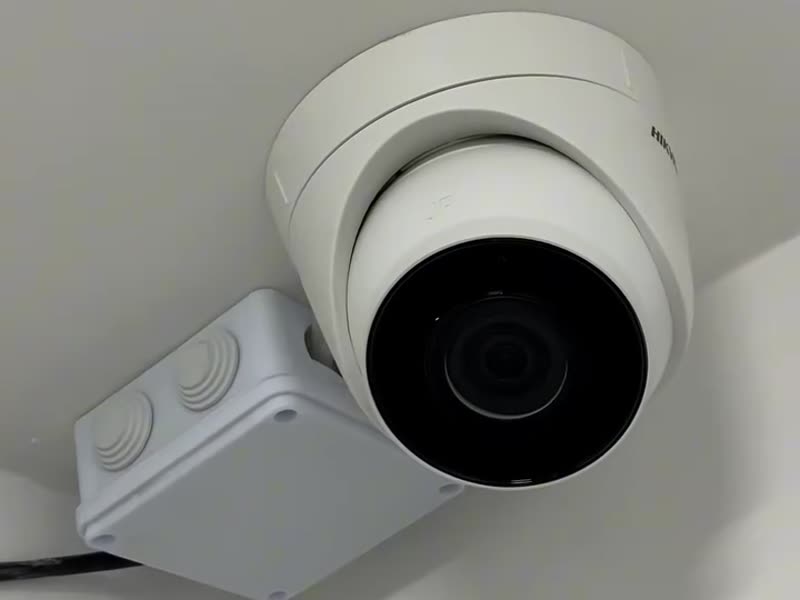
The figure in millimetres on a camera is the focal length of the lens. The smaller it is, the wider the camera sees and the smaller the details.
Site survey and cost estimate are free of charge
Lenses
What to choose
- 2.8 mm — wide angleAbout 100 degrees. The whole room is visible, but a face in the far corner will be small. For a room, a hall, a yard.
- 4 mm — medium angleAbout 80 degrees. A compromise between coverage and detail. For a corridor, an entrance, a till.
- 6 mm and more — narrow angleAbout 50 degrees and less. Less area is visible, but it appears larger. For a gate, a side gate, a long passage.
- A varifocal lensThe angle is set during installation to suit the exact spot. Handy when it is hard to guess in advance.
- The main ruleFirst decide what you need to make out, and only then how much area must fit in the frame.
Questions
Frequently asked questions
Why is a wide angle not always better?
The wider the frame, the fewer pixels fall on a face or a number plate. You see the overall scene, but recognising a person is hard.
Is the angle the same on different cameras with the same figure?
It is close but not identical: the angle also depends on sensor size. The exact value is on the camera's data sheet.
Can the recorded picture be zoomed in?
Yes, but only within the camera's resolution: zooming adds no detail the camera did not capture.
See also